
Push-ups and Planks

Build Strength That Actually Supports Your Life: The Science Behind Pushups and Planks (Level 1)
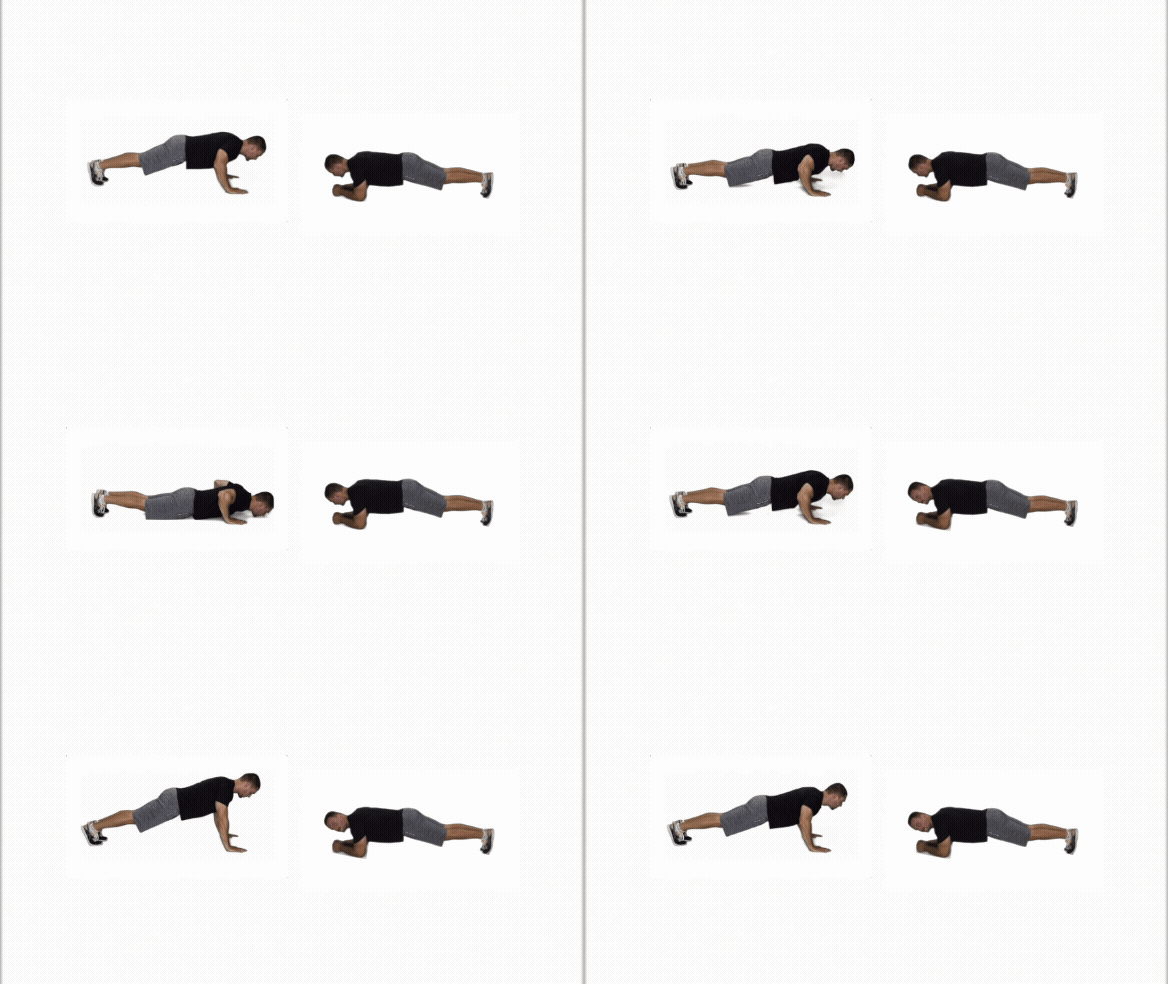
Most people know push-ups and planks are “good for you.” Fewer realize how much meaningful, measurable benefit a short, well-designed routine can deliver—especially when it includes smart warm-ups, recovery, and consistency.
The Pushups and Planks (Level 1) routine on the Lifeonomics App (powered by LightBridge) is deliberately simple: a short shoulder warm-up, then three rounds of 10 push-ups, a 30-second front plank, and a Prayer to Back Stretch, with one-minute rests between the first two rounds. Each step includes a guided GIF and clear cues so you can focus on form and presence rather than guessing.
Here’s why this structure works, backed by research.
Push-ups do more than build chest and arms.
A major 10-year study published in JAMA Network Open followed more than 1,100 active adult men and found that those who could complete more than 40 push-ups at baseline had a 96% lower risk of cardiovascular disease events compared with those who could do fewer than 10. Push-up capacity was a stronger predictor in this group than traditional treadmill testing. Other research shows bodyweight push-ups produce similar chest and triceps muscle growth and strength gains as low-load bench press training when volume is comparable. In short: the ability to do solid push-ups is a practical marker of functional strength and cardiovascular resilience.
Front planks train the core the way you actually need it.
Planks build torso stiffness and spinal stability (important for posture, lifting, and everyday movement) without the high lumbar compression associated with traditional sit-ups. Core stability work has been shown to reduce low-back pain intensity and disability. A large review also found that isometric exercises such as planks produced some of the biggest reductions in resting blood pressure among different training styles—roughly 8 mmHg systolic and 4 mmHg diastolic in pooled data—making them especially useful for heart health alongside strength work.
Warm-ups and the Prayer to Back Stretch matter.
Arm circles and cross-body swings increase blood flow, prepare the shoulders, and support better range of motion before pressing movements. This is particularly valuable as we age, when shoulder mobility and rotator-cuff health influence daily activities. The Prayer to Back Stretch (a controlled spinal flexion movement similar to a modified Child’s Pose) lengthens the mid- and lower back, shoulders, and lats while encouraging relaxation after the work sets. It counters the extension demands of planks and push-ups and helps you finish feeling mobile rather than tight.
The bigger picture for long-term vitality
Resistance training (including bodyweight work) helps combat age-related muscle loss (sarcopenia), improves strength and functional capacity, supports bone health, and is associated with lower risks of cardiovascular disease, disability, and all-cause mortality. Even relatively modest, consistent sessions contribute. At Level 1 volume—30 total push-ups and 90 seconds of plank time plus mobility—this routine is accessible yet productive. It builds the capacity that research links to better health markers while fitting into real life.
How to get the most from it
Focus on controlled form rather than speed. Exhale as you push or brace. Use knee push-ups or elevated hands if needed so you can complete the sets with good technique. Consistency (2–3 times per week) matters more than perfection on any single day. Progress naturally by adding a couple of reps, improving control, or shortening rest once the current version feels solid.
This routine is available now in the Lifeonomics App powered by LightBridge, complete with step-by-step GIFs and coaching cues so you can train with clarity and confidence.
Strength isn’t just about the gym. It’s about having the energy and capability to show up fully for the people and moments that matter most. A few focused minutes, done consistently, compounds.


Comments